The magic bread dough recipe without a mixer and without kneading is exactly what it sounds like: a no-fuss technique that requires nothing more than a bowl, a fork, and a handful of pantry staples. No stand mixer, no kitchen scale, no measuring cup. Just flour, water, yeast, oil, and salt — and a little patience.
The recipe went viral on TikTok thanks to @marjosamiracook (also known as marjosamira_cook), and was covered by Emilie Biechy-Tournade on FemmeActuelle.fr on March 2, 2026. The appeal is obvious: a homemade dough that works for pizza, burger buns, mini pitas, and even pan-cooked flatbreads, all without any specialized equipment.
The ingredients and what makes this dough "magic"
The word "magic" here is earned. This bread dough relies on a reversed incorporation technique that sets it apart from standard machine-kneaded recipes. Instead of gradually adding water to flour (as a stand mixer would), you start with flour and build the dough outward, adding more flour little by little. The result is a texture that comes together without any kneading at all.
The ingredient list is deliberately minimal:
- 4 glasses of T45 flour (1 glass to start, then 3 more added progressively)
- 1 sachet of dried baker's yeast
- 1 teaspoon of salt
- 1 glass of lukewarm water
- 3 tablespoons of oil (olive or sunflower, your choice)
No gram measurements, no precise milliliters. The glass is your only unit of measurement, which is exactly the point. This recipe was designed for everyday kitchens, not professional ones. And if you enjoy discovering viral food hacks that actually work, this one sits comfortably in that category.
Why T45 flour matters for no-knead bread dough
T45 flour is a finely milled, low-ash white flour commonly used in French baking for breads, brioches, and pastries. Its fine texture makes it particularly well-suited to a no-knead method because it hydrates quickly and evenly, which compensates for the absence of mechanical gluten development. Using a coarser flour would likely require adjustments.
The role of the lukewarm water and resting time
The lukewarm water activates the dried yeast before it ever meets the bulk of the flour. This initial activation, combined with a 10-minute rest under a cloth after the first mix, creates what functions as a liquid starter or poolish. It's a small step that does a lot of the structural work that kneading would otherwise handle.
The step-by-step process for no-knead bread dough
The full procedure unfolds in three distinct phases, each separated by a rest period.
Phase 1: Building the starter. Pour 1 glass of T45 flour into a bowl and make a well in the center. Add the dried yeast and salt directly into the well, then pour in 1 glass of lukewarm water. Mix with a fork until you get a smooth, liquid batter. Cover with a cloth and let it rest for 10 minutes.
Phase 2: Incorporating the flour. After the rest, add the 3 tablespoons of oil, then begin adding the remaining 3 glasses of flour gradually, mixing as you go. The key detail here: you don't necessarily use all three glasses. You stop when the dough pulls together into a ball that's no longer sticky. Form it into a rough ball without kneading, place it back in the bowl, and cover tightly with cling film.
Phase 3: The rise. Leave the dough to rise for at least 1 hour. This is where the yeast does its work, and the gluten network develops passively through time rather than effort.
The 3 glasses of flour added in Phase 2 are a guideline, not a fixed rule. Stop adding flour as soon as the dough holds together without sticking to your hands. The exact amount will vary depending on your flour and the size of your glass.
Two cooking methods for one versatile dough
Once the dough has risen, the recipe branches into two distinct approaches depending on what you want to make.
Oven-baked rolls, buns, and mini pizzas
For mini burgers, buns, or small pizzas, shape the dough, place it on a lined baking tray, and let it rest again for 20 minutes under a cloth. This second rest allows the shaped pieces to puff slightly before baking. Bake in a preheated oven at 180°C for 15 to 20 minutes. For small plain rolls, the temperature drops slightly to 165°C, same baking time.
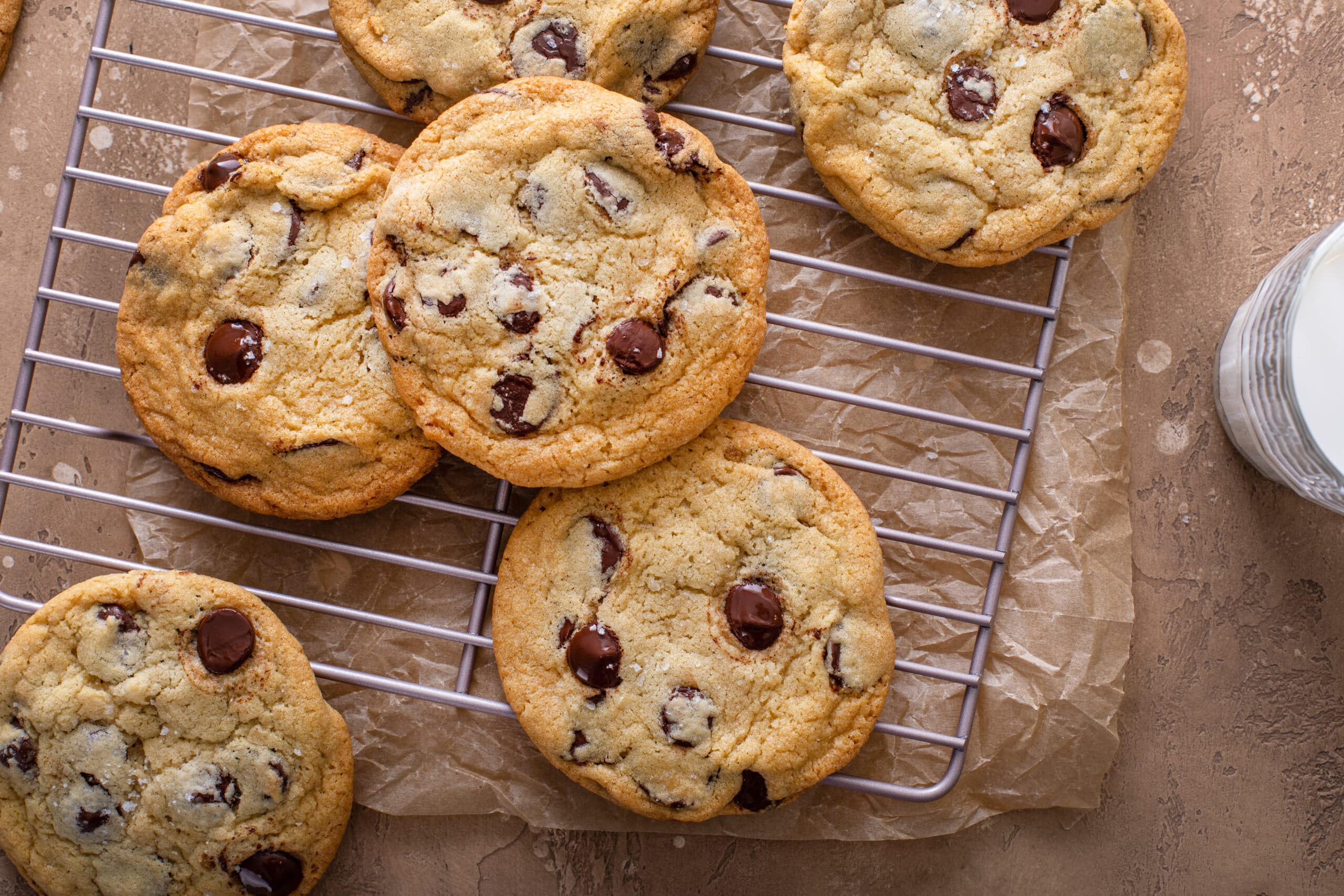
An optional finishing touch: brush the tops with a mixture of egg yolk and cream before baking for a golden, glossy crust. It's a small detail that elevates the final result considerably. If you're already in a baking mood, a batch of chocolate chip cookies alongside these rolls would make for a very satisfying kitchen session.
Pan-cooked flatbreads and stuffed pockets
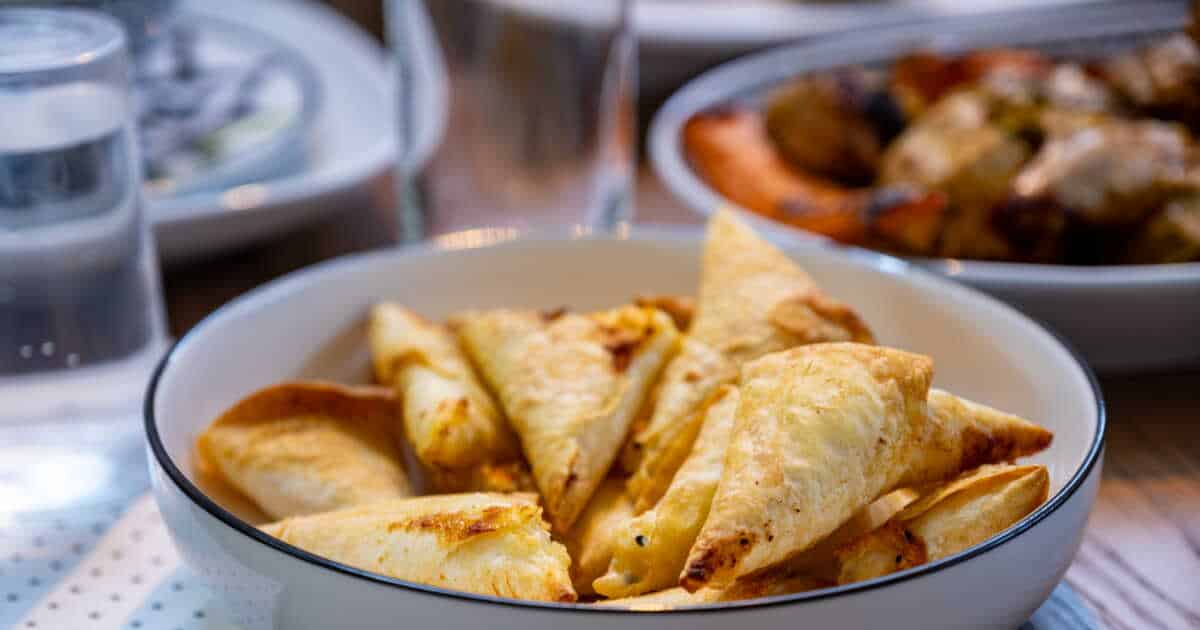
For a faster result, the dough also works beautifully in a non-stick skillet. Roll or press the dough flat, add a filling if desired, fold it over, and cook over medium-high heat, flipping every 10 to 15 seconds. The frequent flipping is what ensures even cooking without burning the outside before the inside is done. This method produces soft, slightly blistered flatbreads that work well as a base for savory fillings, similar in spirit to the samoussa express approach that relies on simple dough and bold fillings.
- No mixer, no scale, no measuring cup required
- Works for multiple recipes: pizza, buns, flatbreads, mini rolls
- Healthier than industrial dough — you control every ingredient
- Technique accessible to complete beginners
- Minimum 1 hour and 30 minutes total resting time
- Flour quantity is approximate — requires some judgment
- Not suitable for very enriched doughs (brioche, etc.)
A homemade dough that's genuinely healthier than store-bought
One of the most consistent arguments made for this type of recipe is the ingredient quality. When you make bread dough from scratch, even a simple no-knead version, you know exactly what goes into it: flour, water, yeast, oil, and salt. No preservatives, no stabilizers, no emulsifiers. The industrial alternatives that line supermarket shelves can't say the same.
@marjosamiracook's version leans into this advantage explicitly. The dough is positioned not just as a convenient shortcut, but as a genuinely better option for people who want homemade bread without the technical barrier. The absence of a mixer or scale removes the last remaining excuses. And the flexibility of the recipe, which adapts to everything from a quick weeknight pizza to carefully shaped burger buns, means it earns its place as a regular in the rotation rather than a one-time novelty. Much like airy egg-white cakes that turn a simple ingredient into something impressive, this dough proves that technique and patience matter far more than expensive equipment.
minimum rise time for the no-knead dough to develop its structure
The total time investment, including all three rest periods, sits around 1 hour 30 minutes from start to baked roll. For a fully homemade bread product made without a single piece of specialized equipment, that's a genuinely reasonable ask.